

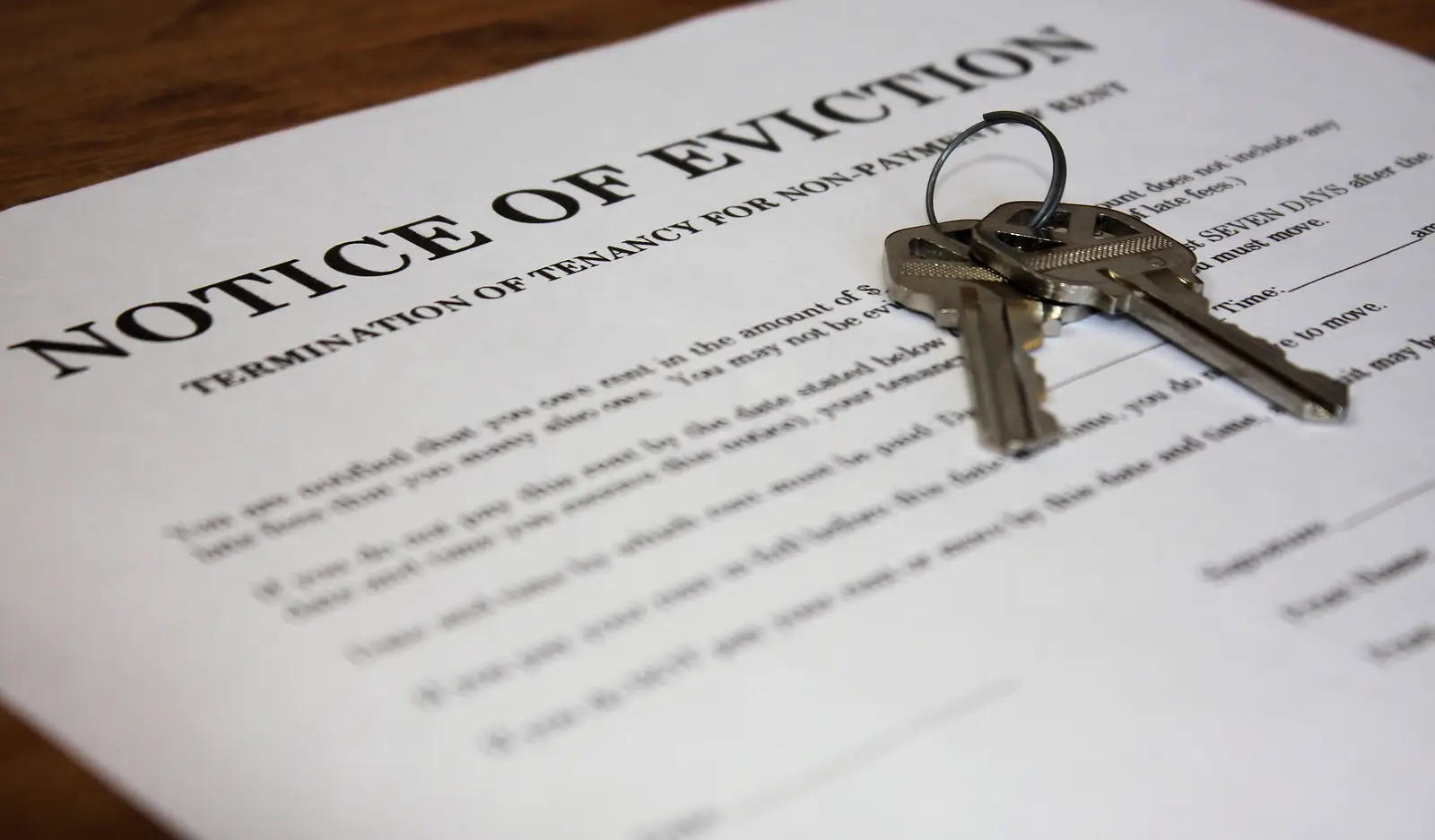
Tennessee doesn't call it an "eviction" in its statutes, it calls the court filing a detainer warrant, and the process runs through General Sessions Court under a specific sequence that has to be followed in order. Skipping a step or using the wrong notice period is exactly the kind of mistake that gets a case dismissed and forces a landlord to start over from scratch. Understanding the full sequence before you need it protects both your timeline and your legal standing.
Key Takeaways
Shelby County, and the rest of the Memphis metro, falls under Tennessee's Uniform Residential Landlord and Tenant Act (URLTA), which governs any county with a population over 75,000.
Nonpayment of rent requires a 14-day written notice under URLTA before a landlord can file, while ending a month-to-month tenancy without cause requires 30 days' notice.
Once the notice period expires, the next step is filing a detainer warrant with the General Sessions Court in the county where the property is located.
If the landlord prevails, the tenant generally has 10 days to appeal to Circuit Court before a Writ of Possession can be issued.
Self-help evictions, changing locks, shutting off utilities, or removing belongings without a court order, are illegal in Tennessee under any circumstances.
Confirming Which Law Applies to Your Property
Tennessee actually runs two different landlord-tenant frameworks depending on county population. URLTA, codified in Title 66, Chapter 28, applies to any county with a population over 75,000, which covers Shelby County and the core Memphis metro area. Smaller surrounding counties may instead fall under Title 66, Chapter 7, which has some differences in notice periods and procedure. If your portfolio includes properties outside the immediate Memphis area, it's worth confirming which framework actually governs that specific county before relying on URLTA notice periods across the board.
Step 1: Serving the Correct Notice
Every Tennessee eviction starts with proper written notice, and the required period depends on the reason for eviction. Under URLTA, nonpayment of rent generally requires a 14-day written notice before a landlord can file. Ending a month-to-month tenancy without cause requires 30 days' written notice before the next rent due date, and Tennessee law doesn't require the landlord to state a reason for this kind of termination. Lease violations involving violence, drug-related activity, or conduct threatening the health or safety of others can sometimes be addressed with a shorter notice period. Getting the notice type and timeline right at this stage matters enormously, since a defective notice, one citing the wrong period or failing to identify the cause, can get the entire case dismissed later and force the landlord to re-notice and refile from the beginning.
Step 2: Filing the Detainer Warrant
If the tenant doesn't comply once the notice period expires, the next step is filing a detainer warrant, Tennessee's term for a forcible entry and detainer action, with the General Sessions Court in the county where the property is located. Filing fees typically range from $100 to $200 depending on the county. The filing should include the complaint itself, proof that proper notice was served, a copy of the lease, and any evidence supporting the grounds for eviction. Once filed, the court clerk schedules a hearing, generally somewhere between one and three weeks out depending on the court's caseload, and a sheriff, constable, or process server delivers the warrant and summons to the tenant, either personally or by posting it securely at the property's entrance if personal service isn't possible.
Step 3: The Court Hearing
At the hearing, both landlord and tenant have the opportunity to present evidence in front of a judge, including the lease, rent payment records, written notices, photographs, and any other documentation relevant to the case. Tenants can raise defenses at this stage, including improper notice, retaliation, or habitability issues with the property. If the tenant doesn't show up at all, the judge typically enters a default judgment in the landlord's favor. Keeping organized, dated records throughout the tenancy, something our tenant screening and lease documentation process is built around, makes a real difference in how smoothly this hearing goes if a case does end up contested.
Step 4: Judgment, Appeal, and the Writ of Possession
If the landlord prevails, the court issues a judgment for possession, but that doesn't mean the tenant has to leave immediately. Tennessee law generally gives the losing party 10 days to appeal the judgment to Circuit Court, which can pause the process while the appeal is pending. If no appeal is filed within that window, the court issues a Writ of Possession, and the tenant is required to vacate within the timeframe the writ specifies. If the tenant still hasn't left once that deadline passes, law enforcement carries out the physical removal. Keeping financial records organized through this entire process, from the original notice through any final judgment, is exactly the kind of documentation our accounting team maintains for every property we manage, since a clean paper trail matters at every stage of this timeline.
Why Self-Help Evictions Are Illegal
It can be tempting, particularly with an obviously nonpaying or disruptive tenant, to just change the locks or shut off the utilities rather than wait through the court process. Tennessee law explicitly prohibits this under any circumstances. Self-help evictions, including changing locks, shutting off utilities, or removing a tenant's belongings without a court order, expose a landlord to liability even in a case where the underlying eviction would have been entirely valid through the proper channel. Every removal has to go through General Sessions Court and end with a properly issued Writ of Possession, no matter how clear-cut the situation seems.
FAQ
How long does a Tennessee eviction typically take from notice to move-out?
Including the notice period, court scheduling, and the appeal window, a straightforward eviction commonly takes somewhere between three and five weeks, longer if the case is contested or appealed.
Does URLTA apply to every property in the Memphis area?
It applies to any county with a population over 75,000, which covers Shelby County and the core Memphis metro. Properties in smaller surrounding counties may fall under a different framework, so it's worth confirming county by county.
Can I change the locks if a tenant stops paying rent?
No. Self-help evictions are illegal in Tennessee regardless of how justified the underlying eviction may be. All removals must go through the General Sessions Court process.
What happens if a tenant appeals after I win the case?
An appeal to Circuit Court, generally filed within 10 days of judgment, can pause the process while it's pending, adding time before a Writ of Possession can be issued.
Getting Every Step Right the First Time
Tennessee's eviction process moves at a reasonable pace when every notice and filing is handled correctly, but a single defective notice or missed procedural step can add weeks to a case that should have moved quickly. Understanding which law governs your specific property, using the correct notice period, and documenting every step along the way puts you in a far stronger position if a tenancy situation needs to go this far.
Wondering whether your current lease templates and notice procedures actually hold up under Tennessee's requirements? Take a look at our property management services to see how we handle this process for the properties we manage across the Memphis area.
